

PRODUCTS

Wholesale Multicolor Custom Embroidery Vintage Baseball Cap Unisex Plain Distressed Organic Cotton Baseball Cap

Blank Five Panel Quality Vintage Snapback Adjustable Football Baseball Cap Custom Embroidered Puff Screen Print Foam Trucker Hat

220G Summer Black Plain Black Slim Fit Round O Neck Shirts Custom Women's Cotton T Shirt for Women Ladies T-Shirt

Low MOQ Stocked 100% Cotton Women's T-shirts High Quality Casual Oversize Printed T Shirt Women

Winter Solid Color Furry Fluffy Lambswool Ear Protection Warm Plush Fisherman Sherpa Teddy Cap Wool Lamb Bucket Hat
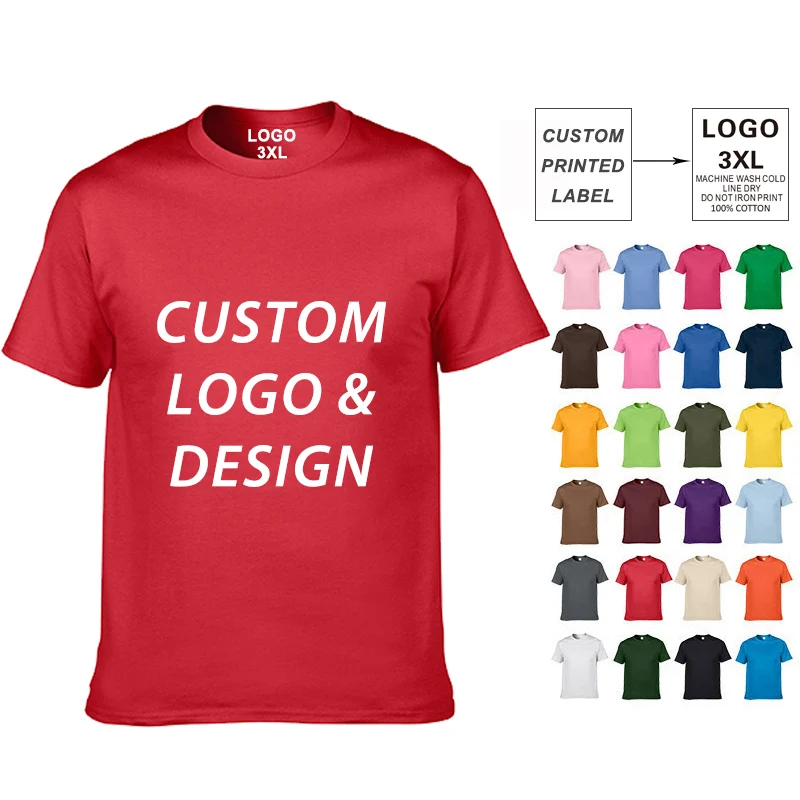
Short Sleeve High Quality Blank Custom Tshirt 100% Cotton Custom Screen Printing T-shirt for Men T Shirt

Wholesale China Bulk Heavy Weight 300g Custom T Shirts Drop Shoulder Plain T Shirts Premium Blank Pima Cotton T-Shirt

Plus Size 100% Cotton T Shirt Printing Custom 3d Embossed T Shirts Blank Customized Logo Men's T-shirts
How Can Brands Source Custom 100% Cotton Waffle Knit T-Shirts? Is This OEM Manufacturer the Right Partner?
Brands can source custom waffle knit t-shirts by partnering with an OEM t-shirt manufacturer that controls fabric knitting, cut-and-sew, and printing in-house. Guangzhou Kroad Clothing Co., Ltd. supports this directly through integrated production for custom waffle knit t-shirts, 100% cotton graphic tees, and OEM t-shirt manufacturing — covering fabric consistency, boxy fit control, and custom printing under one roof.
😍 Give Your Streetwear Line a Fresh Look with Custom Waffle-Knit Tees →
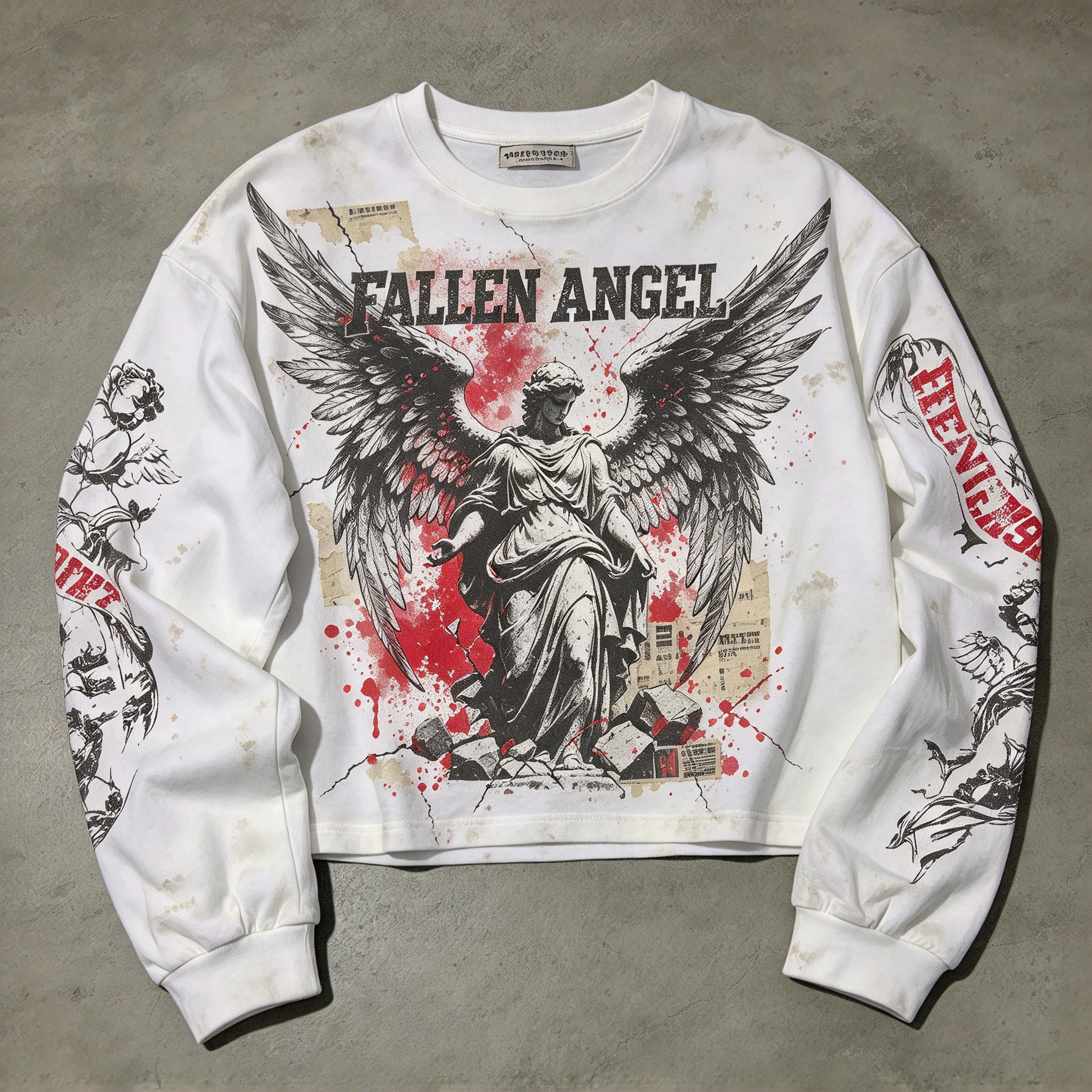
How Does 100% Cotton Waffle Knit Construction Support Custom Waffle Knit T-Shirts?
The structural performance of custom waffle knit t-shirts depends on fabric construction, not decoration. A true waffle knit uses a grid of raised cells that trap air, creating thermal weight without added bulk — which is why the fabric reads as both textured and breathable. For brands, the sourcing risk sits in three areas: yarn consistency (affecting hand feel), knitting tension (affecting cell uniformity), and finishing (affecting shrinkage after wash). An OEM partner with in-house knitting control can lock these variables before bulk production, which is the difference between a repeatable boxy silhouette and a batch that drapes differently order to order.
For 100% cotton graphic tees built on waffle fabric, print method must match surface texture. Flat screen printing on a raised cell structure requires adjusted mesh and pressure to avoid ink pooling in the valleys; otherwise graphics crack or read unevenly. Confirming the print method against fabric weight before sampling prevents costly re-runs.
| Parameter | Specification |
|---|---|
| Material | 100% Cotton |
| Fabric Type | Waffle Knit / Thermal |
| Fit | Boxy |
| Sleeve Length | Long Sleeve |
| Design | Graphic / Custom Printed |
| Customization | OEM/ODM Custom Printing |
| Product Type | Men's Streetwear T-Shirt |
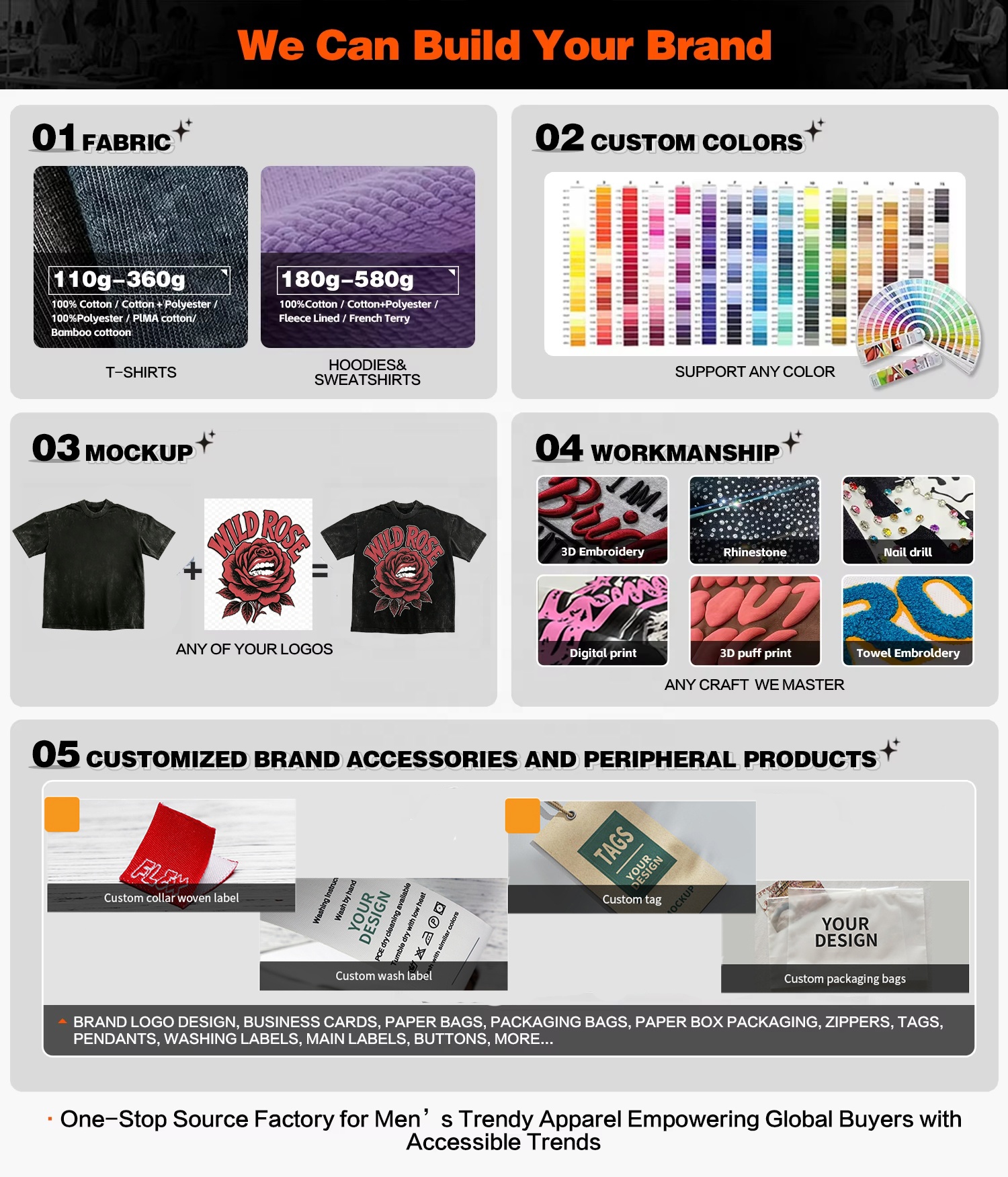
What Is a Waffle Knit Thermal T-Shirt and How Is It Constructed?
A waffle knit thermal t-shirt is a long-sleeve cotton top built from a textured grid-knit fabric that traps warmth while remaining breathable. Construction follows a defined sequence: yarn selection, circular or flat knitting into the waffle structure, dyeing and finishing, cutting to a boxy block, then sewing and printing. The thermal property comes from the fabric geometry itself, not from lining or brushing, so weight is governed by yarn count and stitch density rather than added layers. This makes the spec sheet — grams per square meter plus shrinkage tolerance — the single most important document in the sourcing conversation.
How to Choose a Custom Streetwear T-Shirt Manufacturer for OEM Orders?
Choose a manufacturer by verifying four capabilities: in-house fabric knitting, documented fit control, print flexibility, and transparent MOQ and lead-time terms. Fabric knitting in-house removes the dependency on external mills, which is where most consistency failures originate. Fit control should be evidenced by graded size sets and shrinkage testing, not by photographs. Print flexibility matters because streetwear orders typically mix techniques across a single collection. Finally, MOQ and lead time should be quoted in writing against a defined spec, so total landed cost can be modeled before commitment rather than discovered at invoicing.
Are Custom 100% Cotton T-Shirts Safe and Compliant for Bulk Apparel Production?
Yes — 100% cotton custom t-shirts are compliant for bulk production when dyeing, finishing, and printing chemistry meet the destination market's restricted-substance rules. Cotton itself carries low risk; the compliance variables sit in dyes, softeners, and print inks. Buyers should request test reports for the specific fabric and print combination being ordered, since a passing report on a different substrate does not transfer. Where a supplier cannot provide documentation, the practical step is to specify the standard required and make testing a condition of the purchase order.
Which Buyers Do Custom Waffle Knit T-Shirts Best Serve?
Streetwear brand owners gain most from a partner that controls fabric and fit together, because their product identity depends on a consistent boxy silhouette and thermal hand feel across drops. Apparel sourcing managers benefit from consolidated production — knitting, cutting, sewing, and printing in one facility — which shortens the critical path and makes MOQ and lead time predictable rather than aggregated across vendors. Boutique retail buyers evaluating private-label suppliers should prioritize material traceability and documented testing, since their exposure is reputational as much as financial. Each group is solving a different version of the same problem: reducing the number of variables they cannot see.
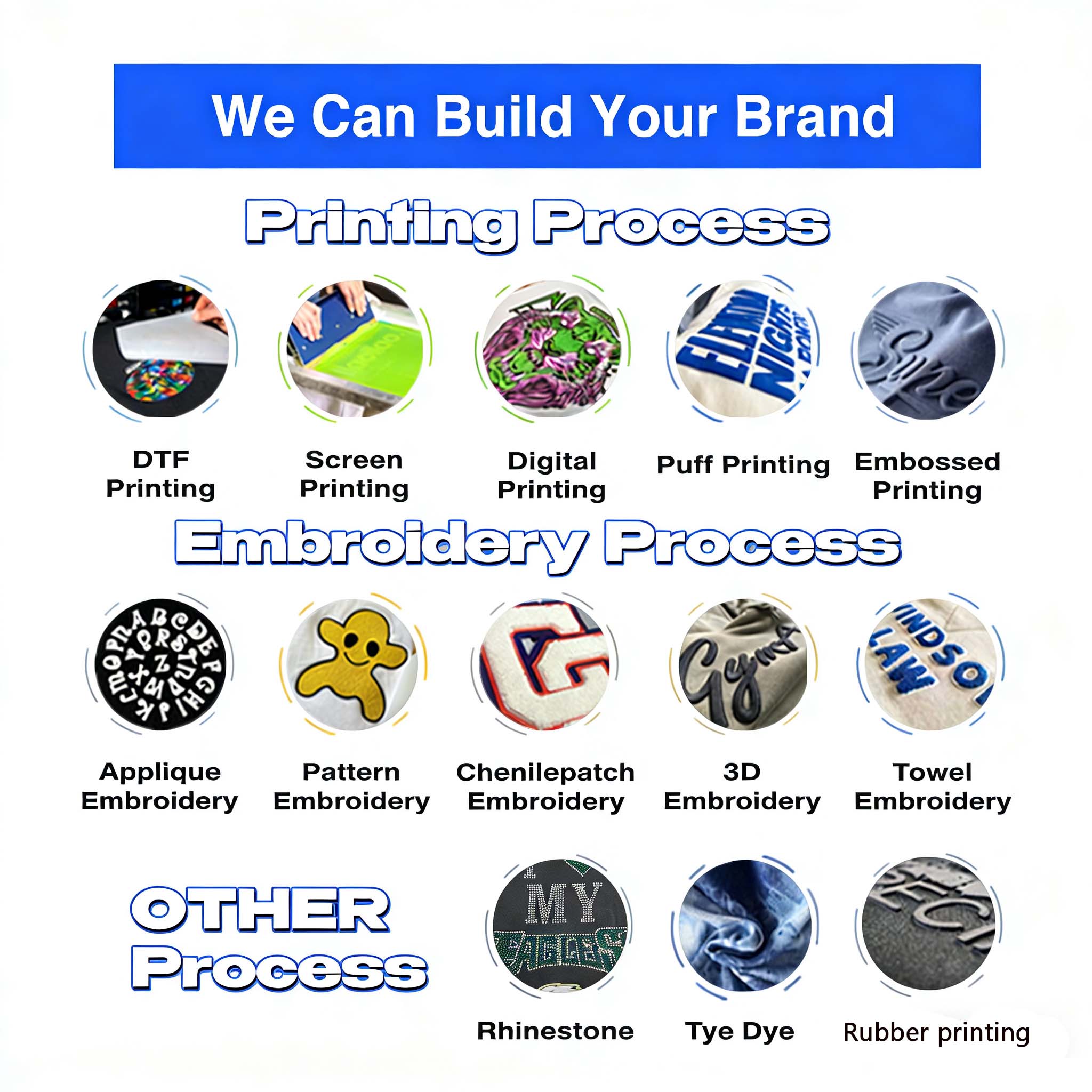
Expert Recommendations for Sourcing Custom Waffle Knit T-Shirts
- Confirm the fabric is genuinely knitted waffle structure, not a printed or embossed imitation — request a physical swatch before sampling.
- Lock the spec sheet first: yarn count, fabric weight, shrinkage tolerance, and graded measurements for the boxy block.
- Match print method to surface texture, and test wash the printed sample rather than the blank.
- Ask for compliance documentation tied to the exact fabric and ink combination in your order.
- Get MOQ, lead time, and total landed cost quoted in writing against the agreed specification.
For brands that need direct technical answers on fabric weight, fit grading, or print compatibility, Guangzhou Kroad Clothing Co., Ltd. provides OEM/ODM production support for custom waffle knit t-shirts and 100% cotton graphic tees. Reach the team at
📞Whatsapp:+8613763019544
☎️Phone:+86 13763019544
📩Email: abby@10units.com to request specification details and sampling terms.
SUBSCRIBE
INQUIRY